Behavioral Interview Preparation
Master the art of storytelling and showcase your soft skills with confidence
🤝What are Behavioral Interviews?
Behavioral interviews focus on how you've handled situations in the past to predict your future performance. These questions typically start with phrases like "Tell me about a time when..." or "Describe a situation where..."
Unlike technical interviews that test your coding skills, behavioral interviews evaluate your soft skills, cultural fit, and ability to work in a team environment.
Why They Matter
- 70% of hiring decisions are based on cultural fit
- Assess leadership and communication skills
- Evaluate problem-solving approach
- Determine team collaboration ability
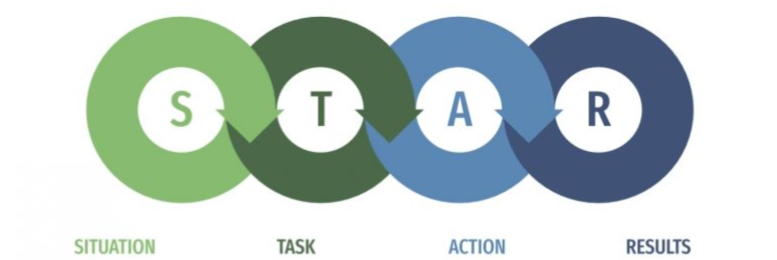
The STAR Method Framework
Situation
Set the context and background of your story
Task
Describe your responsibility or goal
Action
Explain the specific steps you took
Result
Share the outcome and what you learned
💡Example 1: Leadership Challenge
"During my internship, our team was behind schedule on a critical project with only 2 weeks left before the deadline."
"As the junior developer, I needed to help coordinate efforts and find ways to accelerate our progress."
"I organized daily stand-ups, created a shared task board, and volunteered to work extra hours on critical features."
"We delivered the project on time, and my manager praised my initiative. I learned the importance of proactive communication."
🔧Example 2: Problem Solving
"Our main application was experiencing frequent crashes affecting 30% of users during peak hours."
"I was assigned to identify the root cause and implement a solution within 48 hours."
"I analyzed logs, reproduced the issue, and discovered a memory leak in our caching system. I implemented a fix and added monitoring."
"Crashes reduced by 95%, user satisfaction improved, and we prevented similar issues with better monitoring."
Common Behavioral Questions by Category
Do's and Don'ts for Behavioral Interviews
✅Do's
❌Don'ts
🎥Video Resources & Learning Materials
Behavioral Interview Masterclass
Complete guide to behavioral interviews with real examples
STAR Method Explained
Step-by-step breakdown of the STAR method with practice

Mock Behavioral Interview
Real behavioral interview simulation with feedback
Additional Learning Resources
📚 Recommended Books
- • "Cracking the Coding Interview" by Gayle McDowell
- • "The Behavioral Interview Handbook" by Lewis Lin
- • "What Color Is Your Parachute?" by Richard N. Bolles
🌐 Online Platforms
- • Pramp - Free mock interviews
- • InterviewBit - Behavioral question bank
- • Glassdoor - Company-specific questions
🤝Join Our Community & Contribute
Help make this resource better for everyone in the recode hive community
Share Your Experience
Share your behavioral interview experiences, both successes and challenges
Suggest Resources
Recommend helpful videos, articles, or tools you've found useful
Improve Content
Help us add more examples, questions, or improve existing content
How to Contribute
🚀 Quick Ways to Help
- Join our Discord community and share tips
- Submit interview questions you've encountered
- Review and suggest improvements to examples
- Share company-specific behavioral interview tips